Course Information
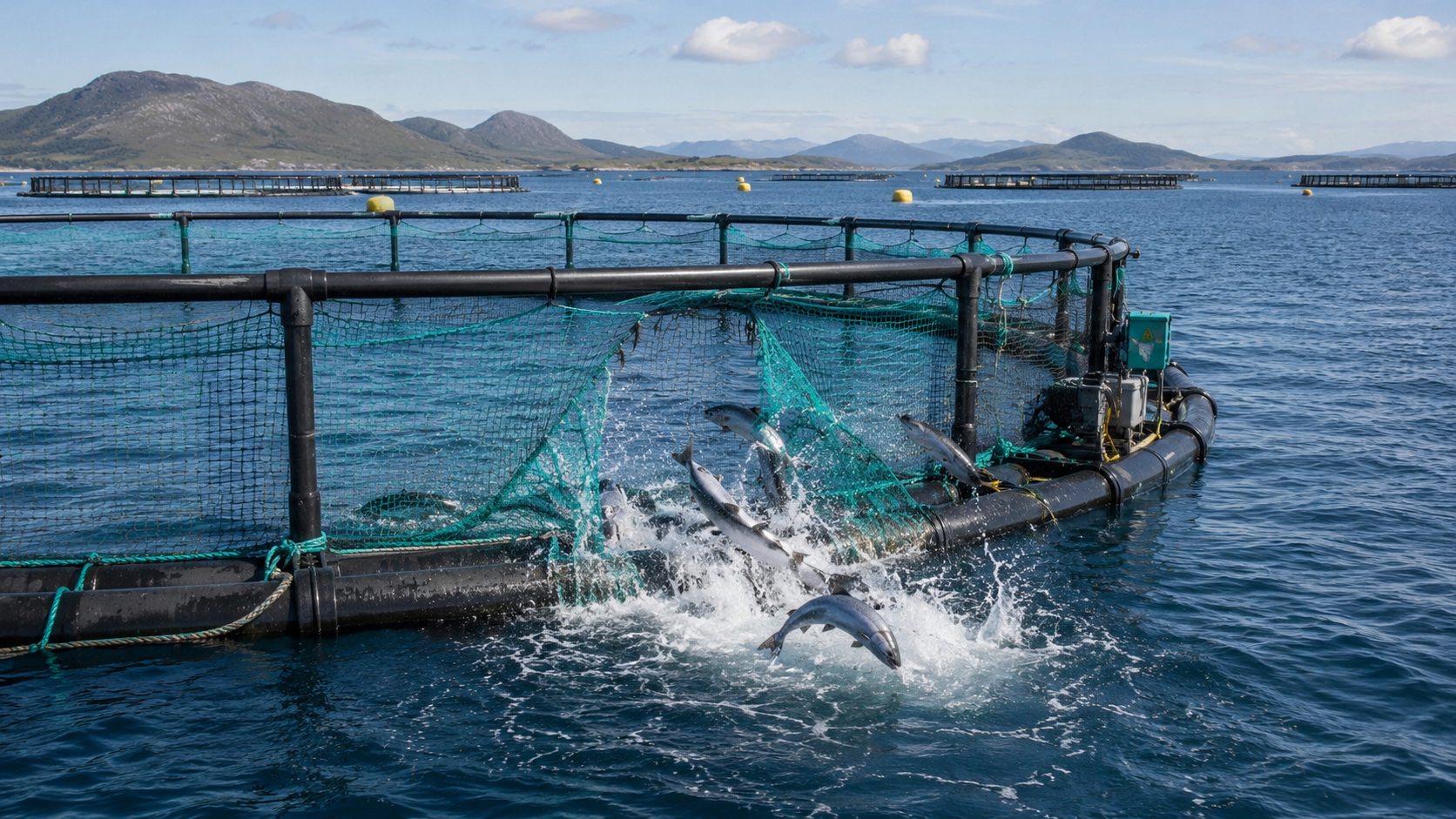
Escapes of farmed fish can have major consequences for the environment, fish welfare, and the aquaculture industry. Incidents can occur as a result of damage to nets and equipment, technical failures, or errors during operations and the handling of fish. Therefore, good procedures, clear accountability, and systematic risk assessment are crucial in efforts to prevent escapes.
This course provides a practical introduction to escape prevention in aquaculture—from causes and consequences to regulations, risk assessment, preventive measures, and emergency preparedness. You’ll learn how technical barriers, good work procedures, competent staff, and clear communication all contribute to safe operations. The course also covers how fish behavior and stress can affect risk during various operations.
The goal is to better equip you to identify risks early, prevent incidents, and know how to respond if an escape is suspected.
Upon completion of the course, you will be able to:
-
Explain what an escape is and what consequences it can have for the environment and the aquaculture industry
-
Be familiar with key requirements in the Aquaculture Act, the Aquaculture Operations Regulations, NYTEK23, and NS 9415
-
Identify common technical and operational causes of escapes
-
Understand how fish behavior and stress can affect the risk of escape
-
Conduct risk assessments and use the Safe Job Analysis (SJA) before high-risk operations
-
Understand the importance of technical and operational barriers
-
Know when to halt an operation in the event of danger or uncertainty
-
Recognize signs of a potential escape and follow procedures for reporting, documentation, and emergency response
-
Contribute to learning and improvement following deviations and incidents
The following lessons are offered in this course
1. What is an escape and why is it critical?
What escape entails, the environmental and economic consequences it can have, typical causes of escape, and why prevention is a fundamental principle in aquaculture.
2. Regulations, Responsibilities, and Reporting
An introduction to key regulations, technical requirements, and internal controls, as well as the responsibilities of various stakeholders and requirements for notification and documentation in the event of an escape or suspected escape.
3. Fish Behavior, Stress, and Risk
How salmon react to factors such as crowding, pumping, light, noise, and other influences—and how stress and unpredictable fish behavior can increase risk during operations.
4. Risk and Prevention
Practical understanding of risk, technical and operational barriers, Safe Job Analysis (SJA), the “stop the job” principle, and the importance of clear communication.
5. Emergency Preparedness and Learning
How to recognize signs of a potential escape, what measures to take, how to report and document incidents—and how to use lessons learned to improve procedures and prevent future incidents.
Who is this course for?
This course is intended for personnel who work in or around fish farms and whose work may influence the risk of escape. It is particularly relevant for operational staff, crews on service and wellboats, supervisors, and others involved in planning, executing, or following up on operations at fish farms.
The course is suitable both for those who need basic knowledge about escape prevention and for those who wish to strengthen their understanding of risk, responsibility, and safe practices in their daily work.
Developed by HaVet Fiskehelse
The course was developed in collaboration with haVet AS. HaVet Fiskehelse possesses specialized veterinary expertise in fish health, fish welfare, and disease prevention. The company provides services to stakeholders in the smolt, food fish, cleaner fish, and cultured fish sectors, and also contributes its expertise to various organizations and stakeholders in the aquaculture industry.