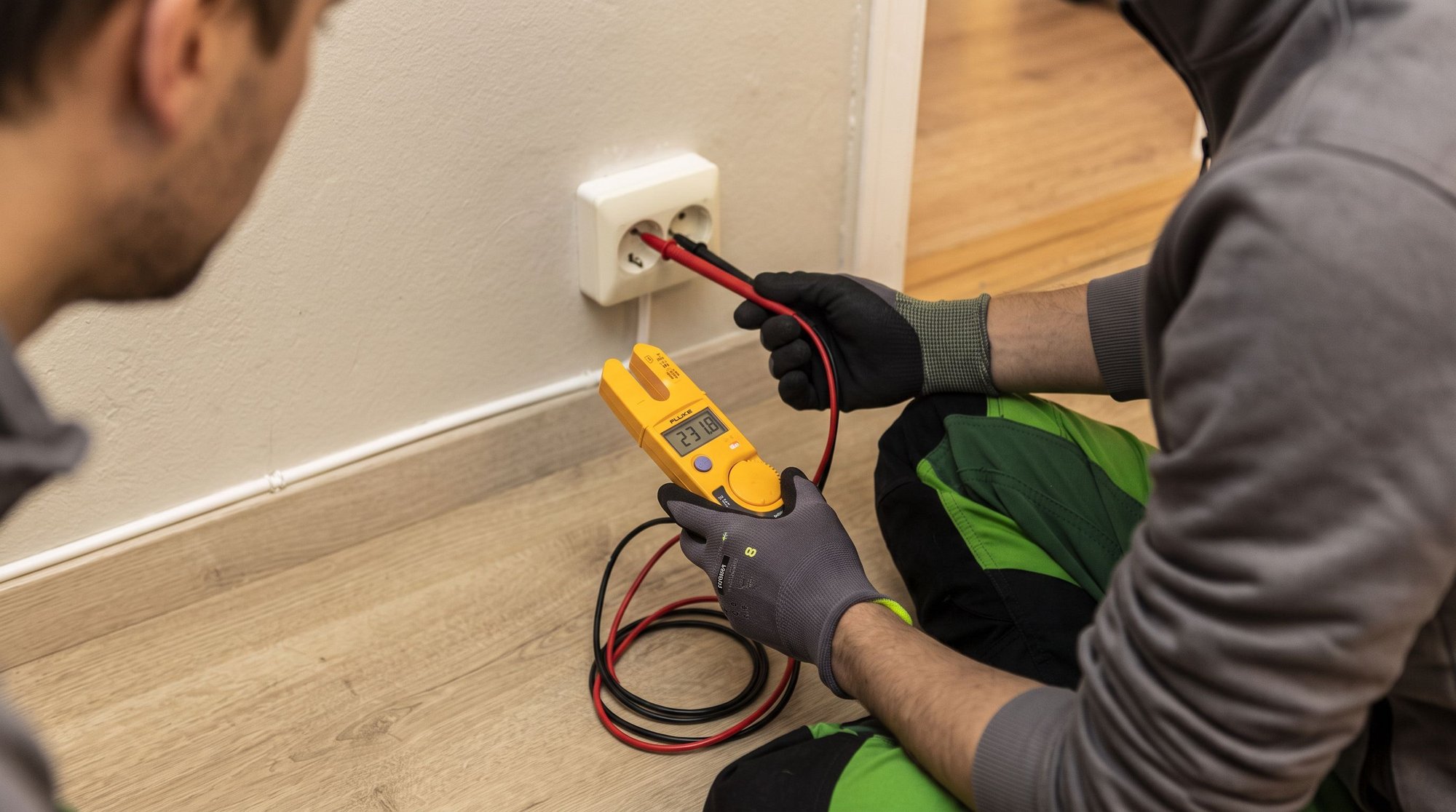
Working Safely in and Around Electrical Installations
The FSE Low-Voltage Course provides participants with the necessary knowledge and awareness to work safely in and around low-voltage electrical installations. The course covers key requirements in the Regulations on Safety in Work on and Operation of Electrical Installations (FSE) and demonstrates how good planning, risk assessment, and proper work methods can prevent electrical accidents.
Through practical examples, participants learn, among other things, about the work methods outlined in the FSE, how to handle electrical accidents, the effects of electricity on the body, and the proper use of protective equipment.
Course Lessons
1. The purpose of the course and the importance of safety
Introduction to FSE, training requirements, and why systematic safety work is crucial when working with electrical installations.
2. Work Methods in Electrical Installations
Overview of the three work methods in FSE: working on de-energized systems, working near live systems, and working on live systems (AUS). You will also learn about safety barriers, voltage testing, and risk assessment.
3. Electrical Accidents and Procedures
What causes electrical accidents, how should they be handled, and what procedures apply to notification, medical follow-up, and reporting?
4. The Effects of Electricity on the Body
Learn how electric current affects the heart, muscles, and the rest of the body, and why even low voltage can cause serious injuries.
5. Planning and Risk Assessment
How to plan the work, identify risks, and select the appropriate measures before work begins. The course also covers, among other things, SJA and the reporting of adverse events (RUH).
6. Personal Protective Equipment and Arc Flash Hazards
Learn how to select, inspect, and use the proper personal protective equipment, and the serious consequences that an arc flash can have.
What You’ll Learn
After the course, you will have a better understanding of how to reduce risks when working in and around electrical installations. You will learn, among other things:
-
the purpose of FSE and key safety requirements
-
the three work methods in FSE
-
how to plan work and conduct risk assessments
-
safe disconnection, protection against re-energization, and voltage testing
-
how electricity affects the body and what injuries can occur
-
how to handle and report electrical accidents
-
the importance of proper safety barriers
-
requirements for and proper use of personal protective equipment
-
the hazards associated with electric arcs and working near live wires
Who is this course for?
The course is suitable for individuals who work in, on, or near low-voltage electrical installations and who need knowledge about safe work practices and the requirements of the FSE.
It is relevant both for personnel who perform electrical work and for other employees who, through their job duties, may be exposed to electrical hazards.
Developed in collaboration with e-Håndverk
The course was created in collaboration with e-Håndverk.
About e-Håndverk
e-Håndverk is a nationwide training provider for the building trades. The courses were developed in collaboration with the Norwegian Master Builders’ Association’s professional department and the Training Office for the Carpentry Trade, and follow the curricula for VG1, VG2, and VG3 in building and construction technology.
The content is aimed at apprentices, work-study candidates, and others seeking structured vocational training, with the goal of contributing to standardized final competencies regardless of the learning location.