Course Information
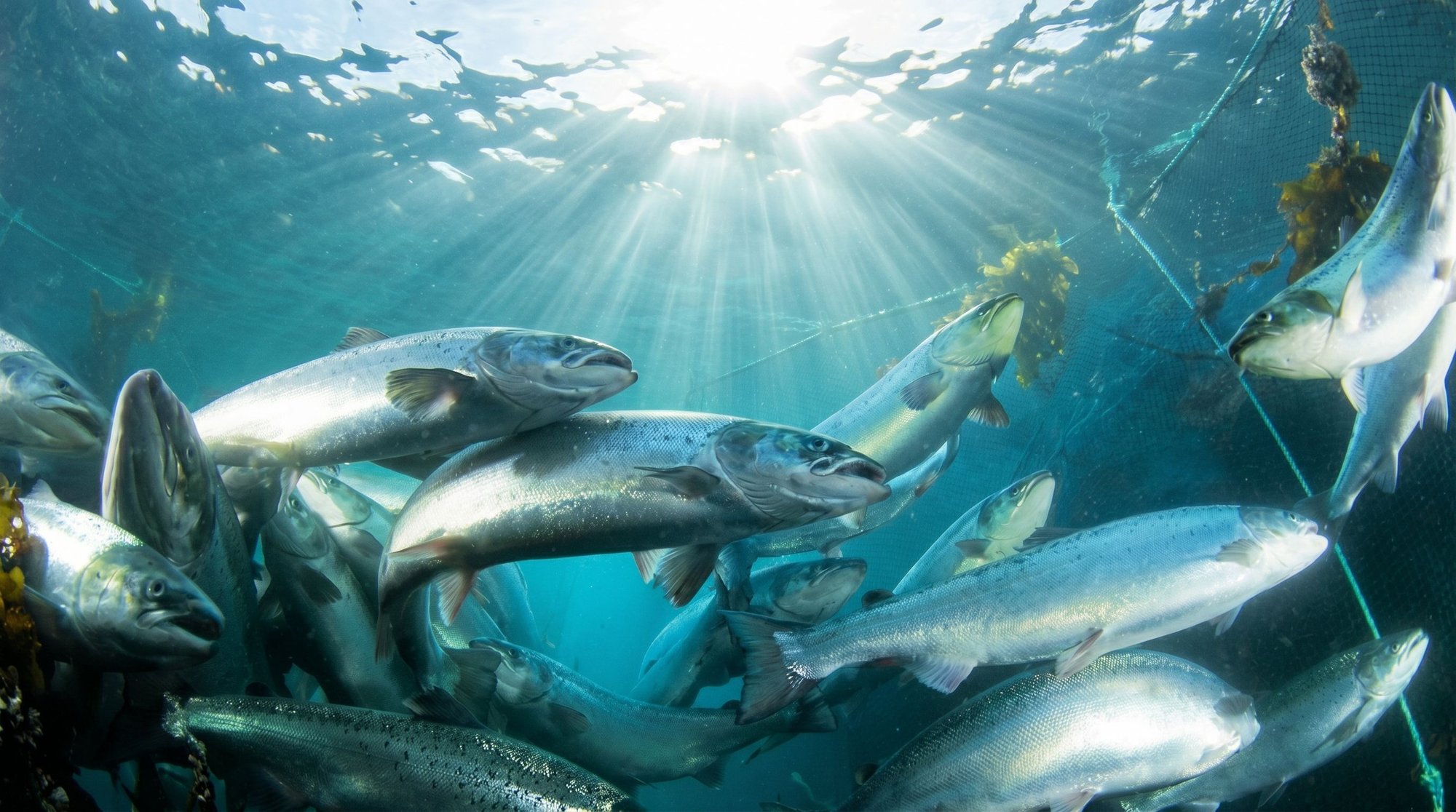
Good health and welfare in salmon are fundamental to safe, responsible, and sustainable food fish production. Salmon in net pens are affected by many factors during the marine phase—including the environment, temperature, oxygen levels, handling, disease, sea lice, and daily operational routines.
This course provides a practical introduction to what good animal welfare means in Norwegian aquaculture—and how knowledge of salmon biology, behavior, and needs can be used to make better decisions in day-to-day operations.
The course combines a basic understanding of biology with practical examples from net pen operations and is particularly relevant for personnel who work with or around salmon during the offshore phase. The content covers, among other things, animal welfare, regulations, anatomy, stress response, environmental impact, disease, salmon lice, and monitoring of welfare indicators.
Upon completion of the course, you will be able to:
• Explain what good animal welfare means for salmon in net pens.
• Understand how the salmon’s anatomy, physiology, and natural behavior affect its health and welfare.
• Recognize key signs of stress, disease, and reduced resilience.
• Understand how environmental conditions such as temperature, oxygen, current, algae, and water quality affect the fish.
• Explain why handling, delousing, and other operational procedures can increase welfare risks.
• Use welfare indicators and observations as a basis for better assessments in practice.
The goal is to strengthen your understanding of the salmon’s needs—so that you can contribute to better fish welfare, safer operations, and more knowledge-based decisions in your daily work.
The following lessons are included in this course
1. What is animal welfare and why is it important?
2. Regulations, responsibilities, and obligations during the marine phase
3. Basic anatomy of salmon
4. Life cycle and physiology
5. Natural Behavior and Stress Response
6. Environmental Impacts on Welfare
7. Behavior Under Practical Conditions
8. Disease in Salmon During the Marine Phase
9. Sea Lice and Production Disorders
10. Monitoring and Use of LaksVEL
Who Is This Course For?
This course is suitable for employees who work with or around salmon during the marine phase. It is particularly relevant for operations staff, fish handlers, managers, and others who monitor health, welfare, and daily routines in net pens. The course is for those who want to deepen their understanding of salmon needs, recognize signs of stress or reduced welfare, and make better assessments in day-to-day operations.
Developed by HaVet Fiskehelse
The course was developed in collaboration with haVet AS. HaVet Fiskehelse possesses specialized veterinary expertise in fish health, fish welfare, and disease prevention. The company provides services to stakeholders in the smolt, food fish, cleaner fish, and cultured fish sectors, and also contributes its technical expertise to various organizations and stakeholders in the aquaculture industry.